Then, at a concert in 2014, I was stepping up on to the highest riser on stage, where the horn section sits, and I fell. Instinctively cradling my horn, my back took the brunt of the fall, as I landed on the corner of the next riser down. Fortunately I only hurt myself and didn’t take out a bassoonist or two! My instrument was unscathed, and I played the last piece of the concert, but by the time it was over I had to be taken to the emergency room of the nearest hospital.
A few months later, I woke up with numbness in my arms and legs, and extreme pain and fatigue. I set up an appointment with my doctor and discovered that I had psoriatic arthritis, most likely triggered by the fall on stage.
Nothing has been quite the same since. I have tried many different treatments, consulted every imaginable type of doctor/healer and had a number of surgeries on painful (a knee, a shoulder), stuck (a finger), or even destroyed (my hips), joints. Still, the most that has been achieved is lessening of symptoms—not remission.
Fashionably Flawed
Because of PsA, I have had to rethink all I’m doing with vintage fashion: Running my business, and all the steps involved, is much harder. I need—and get—help with most everything. Wearing vintage fashion is hard too. I’ve gained weight with the disease and the medications, it’s much harder to zip a back zipper with stiff arms, and it’s downright painful to wear anything tight.
Still, standing in front of my overflowing closet, surrounded by a rainbow of eclectic dresses, tops, jackets and skirts, I'm not just looking for what to wear—I'm making myself happy. For me, vintage fashion is more than just a quirky style choice; it's a lifeline to managing the physical and emotional pain of psoriatic arthritis. The soft, worn fabrics, the colorful patterns, and the stories behind each piece are a balm to my soul—even just to look at.
Finding Confidence in Imperfection
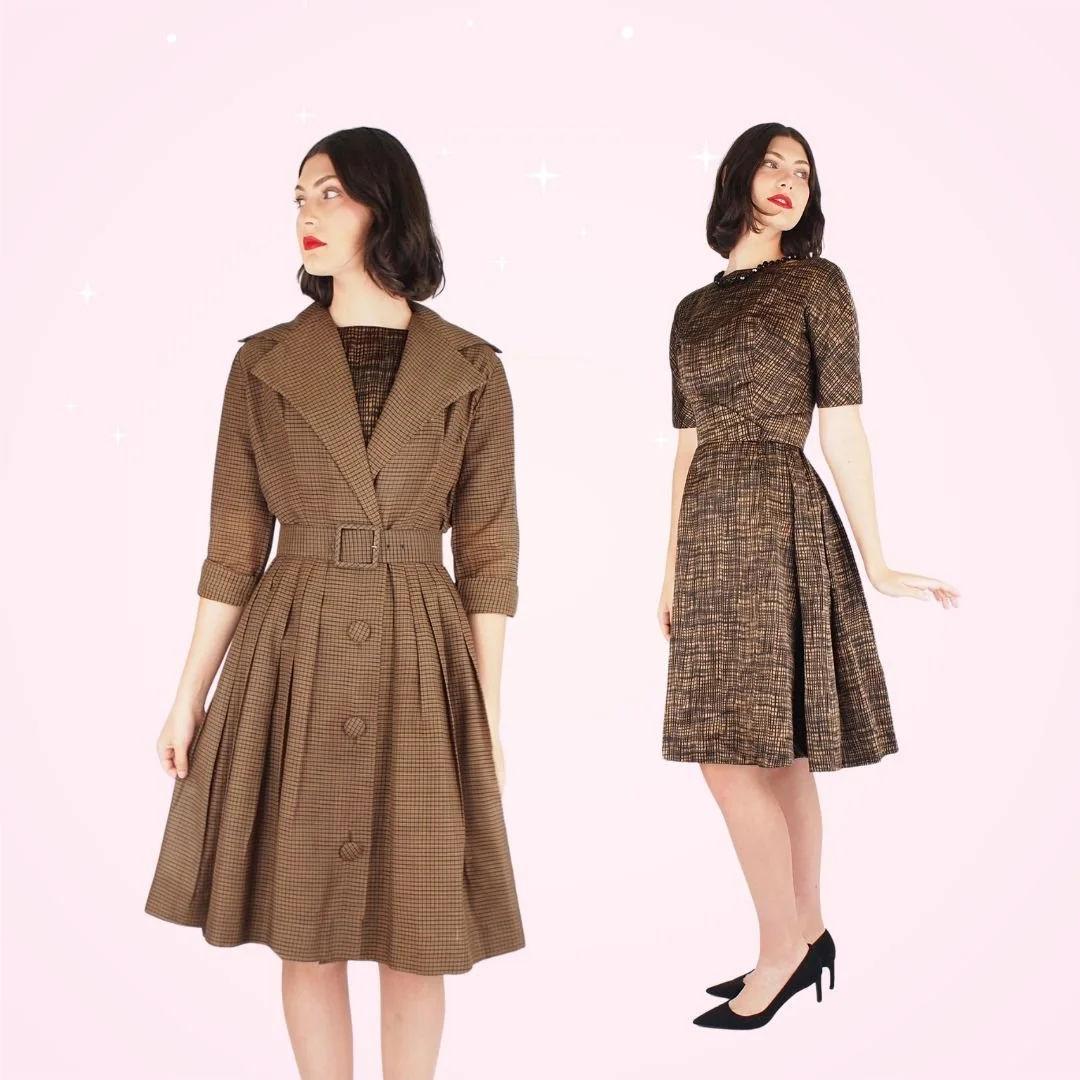
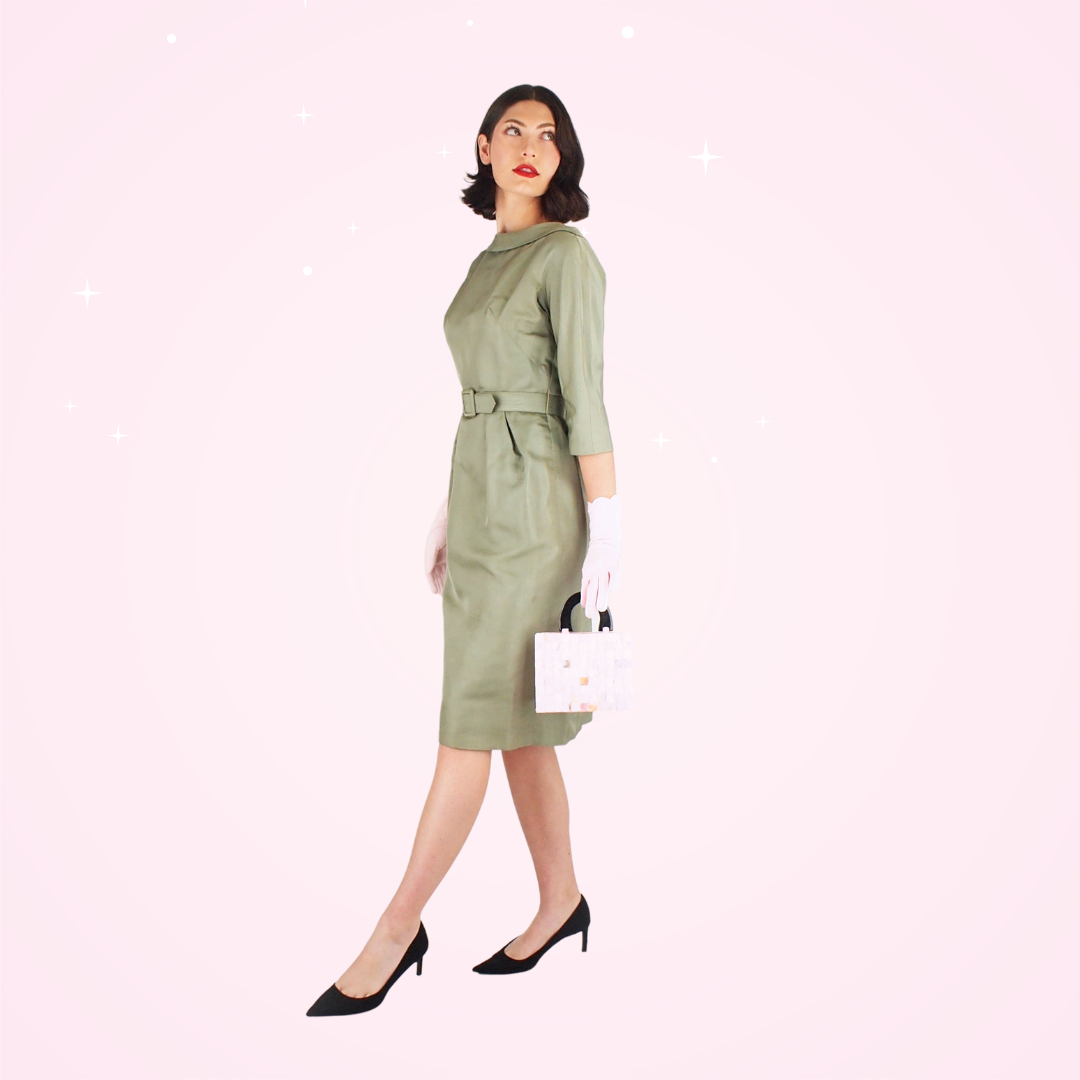
What do I wear now? Having seen the gamut of fashion from the 20th century as a dealer, I have some favorites for my present condition.
Soft knit dresses, such as rayon or cotton jersey—1940s are my favorites.
1960s A-line cotton house dresses with front zippers.
Kimono-style jackets from any era, the silkier the better.
Slip-on knit skirts from the 1970s. I especially love novelty print knits from that era.
1990s oversized unstructured blazers in linen or cotton (vintage men’s jackets can be great quality).
Cotton wrap dresses—especially 1940s and 50s-era.
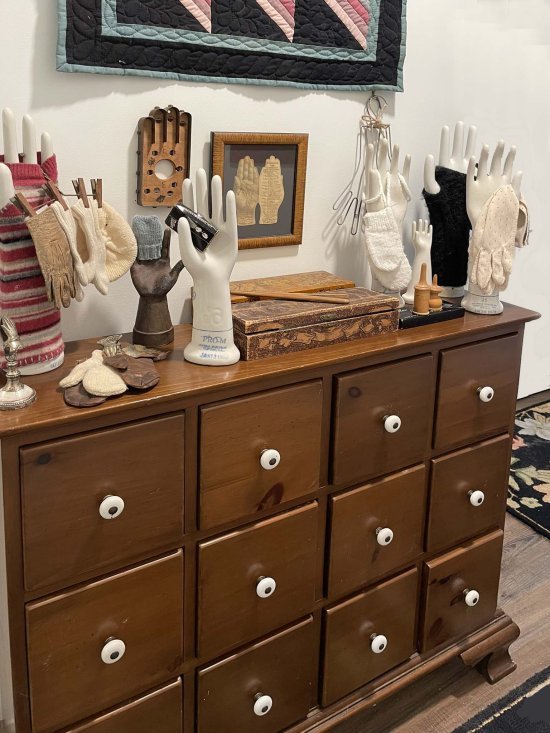
Accessories, accessories, accessories.