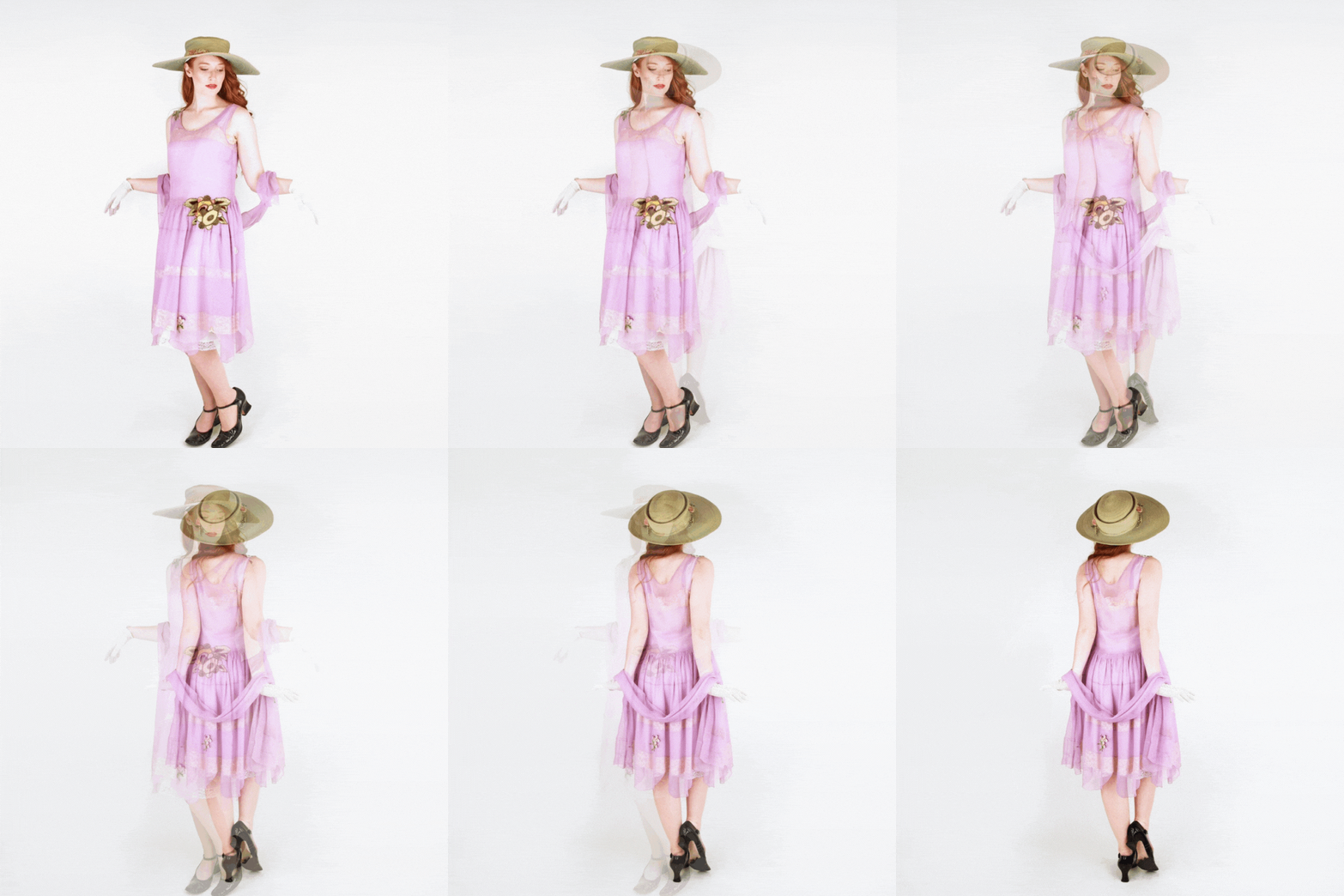
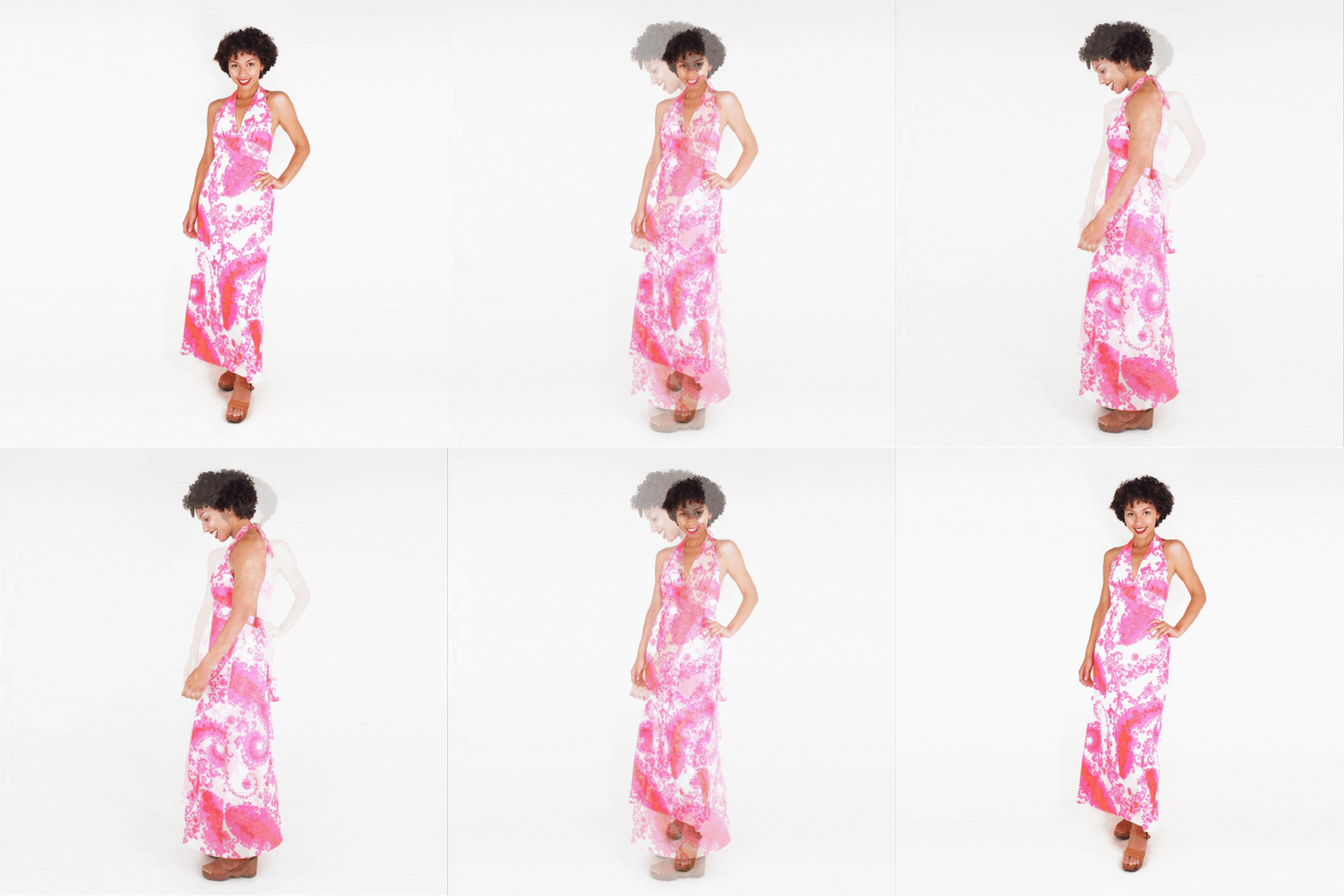
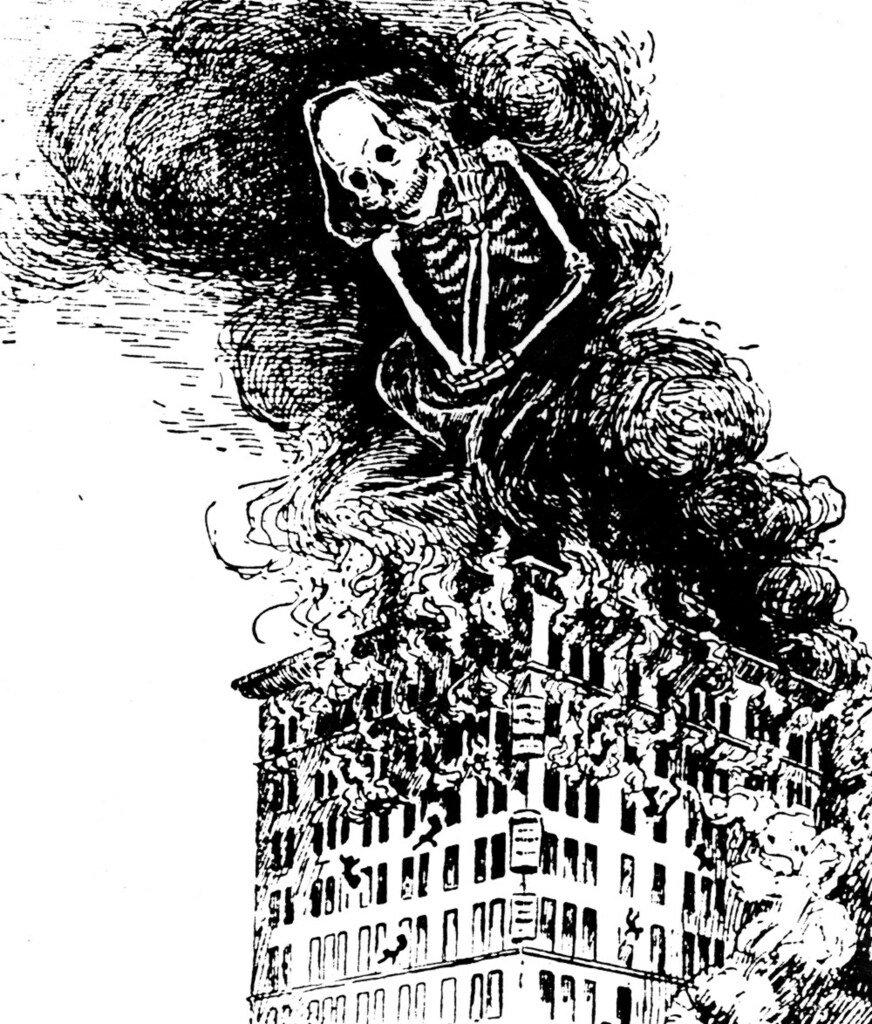
6. Poor. Extensive damage. For display or study only.
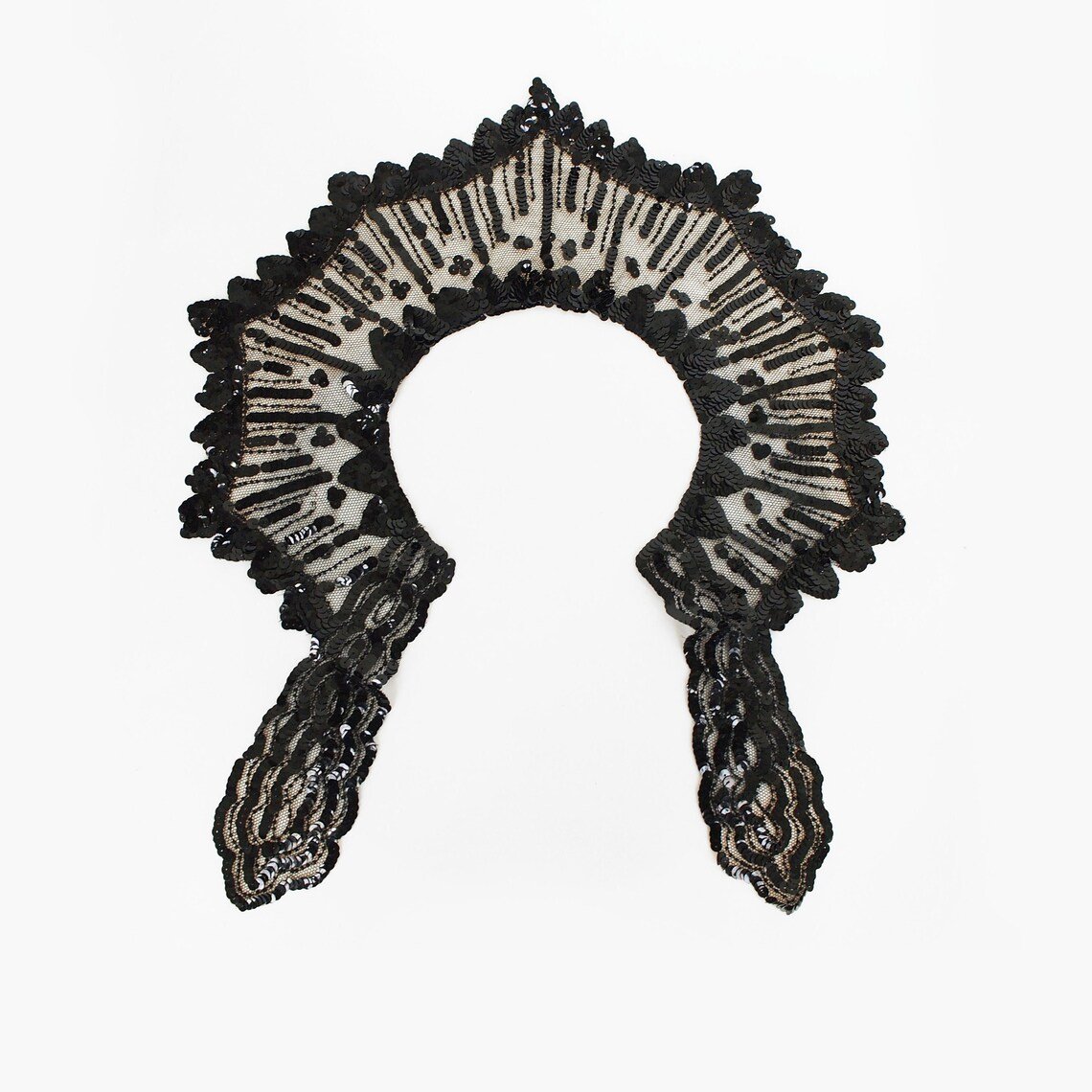
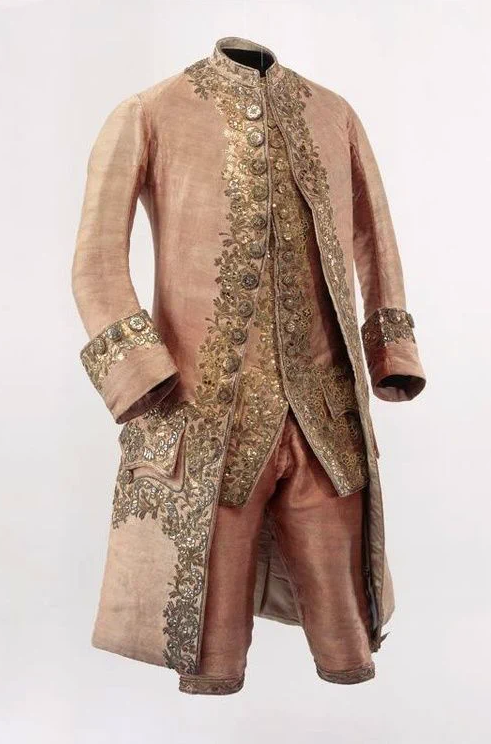
There are reasons to offer items that are extremely damaged. A garment from the 1700s might be in poor condition, but worthwhile to repair and conserve to display. A shirt worn to bits by Hank Aaron would be treasurable as is. Some apparently worthless items could have value for parts such as beading or lace.
I know that my judgement of the condition of each of the items I used as examples would not completely match other very ethical and thorough sellers—we all see things a little differently. So, I would argue, each of these condition ratings is subjective enough without any generalizing qualifier such as “vintage”.
Does a seller need to show a condition chart to customers? No, that’s not necessary, although it may help guide a buyer to understand the meaning of your words, and therefore trust your assessment. The crucial things for the buyer are for you as the seller to describe and show the flaws. Remember, condition is both inside and out and it includes alterations. It is not just about the look, but the odor and feel.
Some of my (ahem) less than ideal purchases have included 1. A sweater with no condition description (and limited photos) which was more like a hole with a bit of sweater around it. 2. An “excellent vintage condition” dress with obvious staining under the arms. The seller explained, “but the stains only show when you lift your arms!” I’ll have to try to remember not to hail a cab… 3. An “excellent condition” jacket with tears throughout the lining. This seller said he didn’t know that the inside mattered!
As a person who purchases vintage items online, I’m acutely aware of condition and try very hard to figure out exactly what each seller means. I scrutinize the pictures, read the text and even ask questions. If someone includes “vintage condition” and the item has no noticeable flaws, I will write to ask what makes the condition “vintage”.
To sellers: Put on your buyer’s shoes and make it as plain and simple to know exactly what you mean and you will avoid questions, frustrations, click-aways, disappointments …and returns.
News flash: I don’t know everything. Everyone lives and learns. I have been buying vintage clothing and accessories forever, and selling for 24 years. I still make mistakes, and I still modify what I do when I find a better way. I’m still learning and will always be learning.
However, I don’t think I could change my mind about “vintage condition”—it is not helpful in describing vintage fashion.